Copper plays a role in iron metabolism, connective tissue formation, immune function and enzyme activity in livestock. Deficiency can show up as poor growth, anaemia and reproductive issues — but copper is also one of the minerals with the narrowest safety margin, meaning oversupplementation carries real risk.
Species Sensitivity Varies
Sheep are particularly sensitive to copper accumulation and require much lower dietary levels than cattle or pigs. Feed formulators need to account for species, breed, age and the copper content of other dietary components, including water and mineral supplements already in use, before setting an inclusion rate.
Why Grade & Form Matter
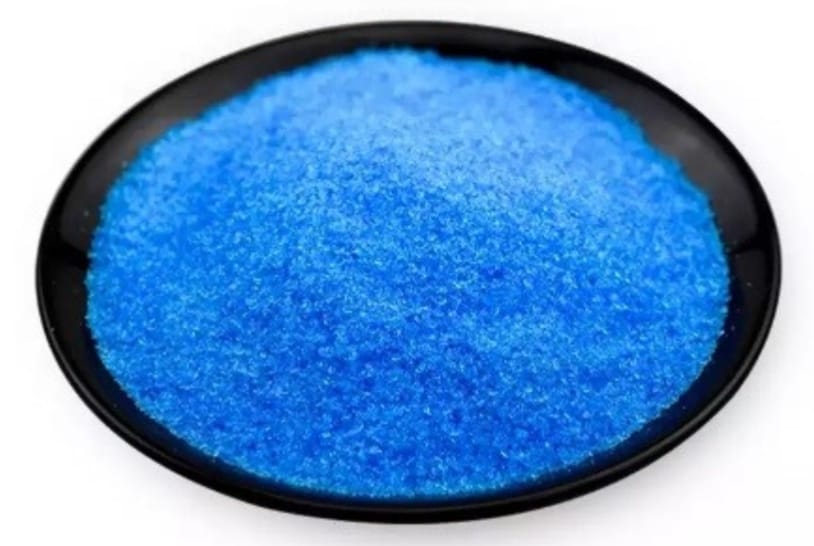
Feed Grade Copper Sulphate is supplied as a fine, free-flowing powder specifically so it disperses evenly through a premix — uneven distribution in a batch can create pockets of over- or under-supplementation even when the average inclusion rate looks correct on paper.
Work With a Nutritionist
Because copper requirements and tolerances are species- and life-stage-specific, inclusion rates should always be set in consultation with a qualified animal nutritionist or veterinarian rather than a generic industry figure.