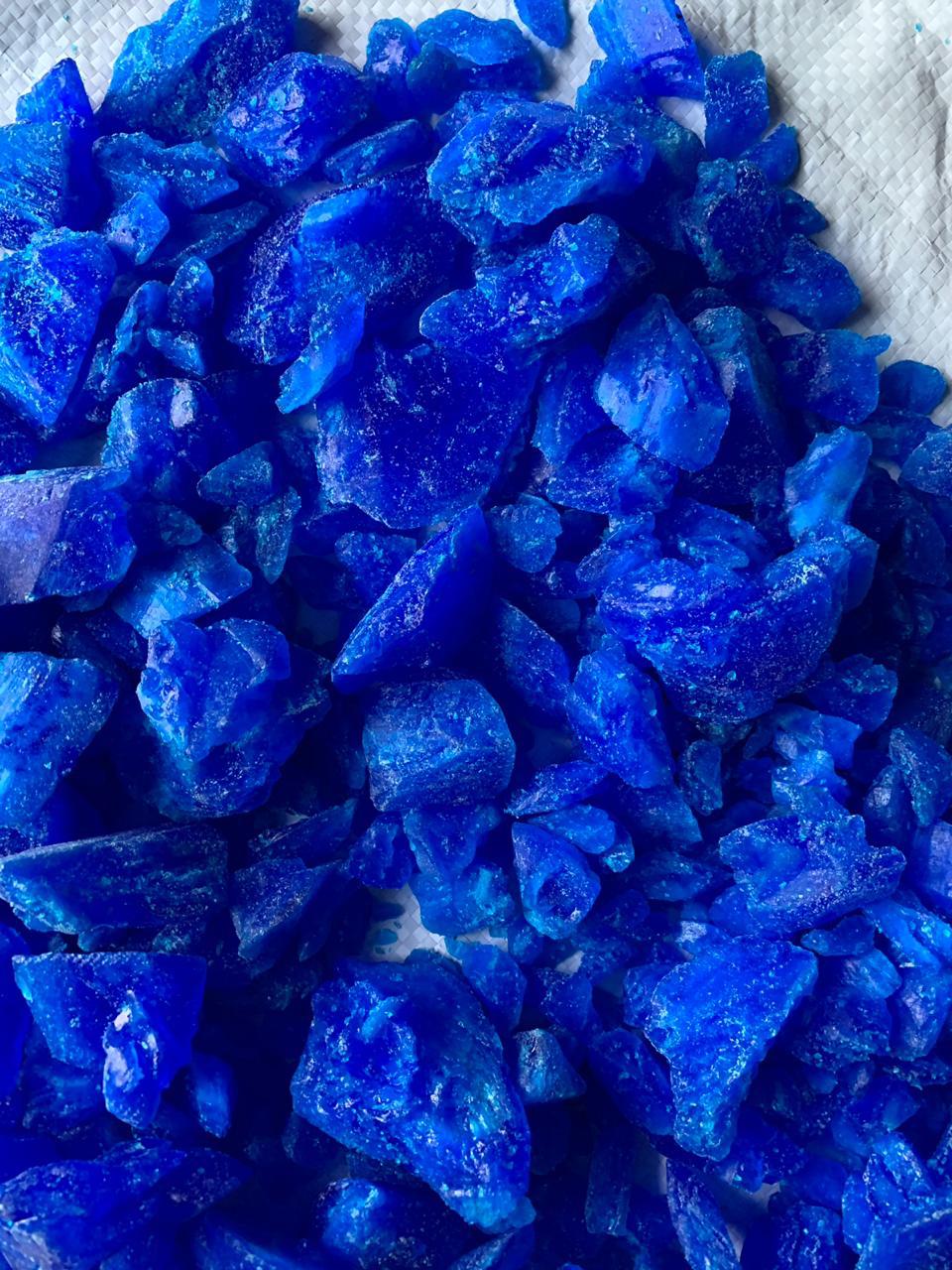
Copper electroplating baths are built around a simple chemistry — Copper Sulphate dissolved in sulphuric acid — but the quality of the deposit depends heavily on how pure that copper sulphate actually is.
What Impurities Do
Even small amounts of chloride, iron or insoluble matter can disrupt the uniformity of a copper deposit, leading to pitting, dullness, poor adhesion, or uneven thickness across a plated surface. In PCB manufacturing, where copper traces must meet precise conductivity and thickness tolerances, these defects are not cosmetic — they can mean a failed board.
What Electroplating Grade Delivers
Our Electroplating Grade Copper Sulphate is supplied at 99%+ purity with insoluble matter held below 0.02% and chloride tightly controlled, giving plating shops a consistent, predictable bath chemistry batch after batch.
Maintaining Bath Chemistry
Beyond raw material purity, plating baths need periodic filtration, correct copper-to-acid ratios, and regular analysis to stay within operating parameters. Starting with a high-purity input simply gives your process a cleaner baseline to maintain.